

Discover rich multigrain foods, their nutritional value, health benefits, and how to include them in your daily diet for better digestion, heart health, energy, and overall wellness.
What Are Rich Multigrain Foods?
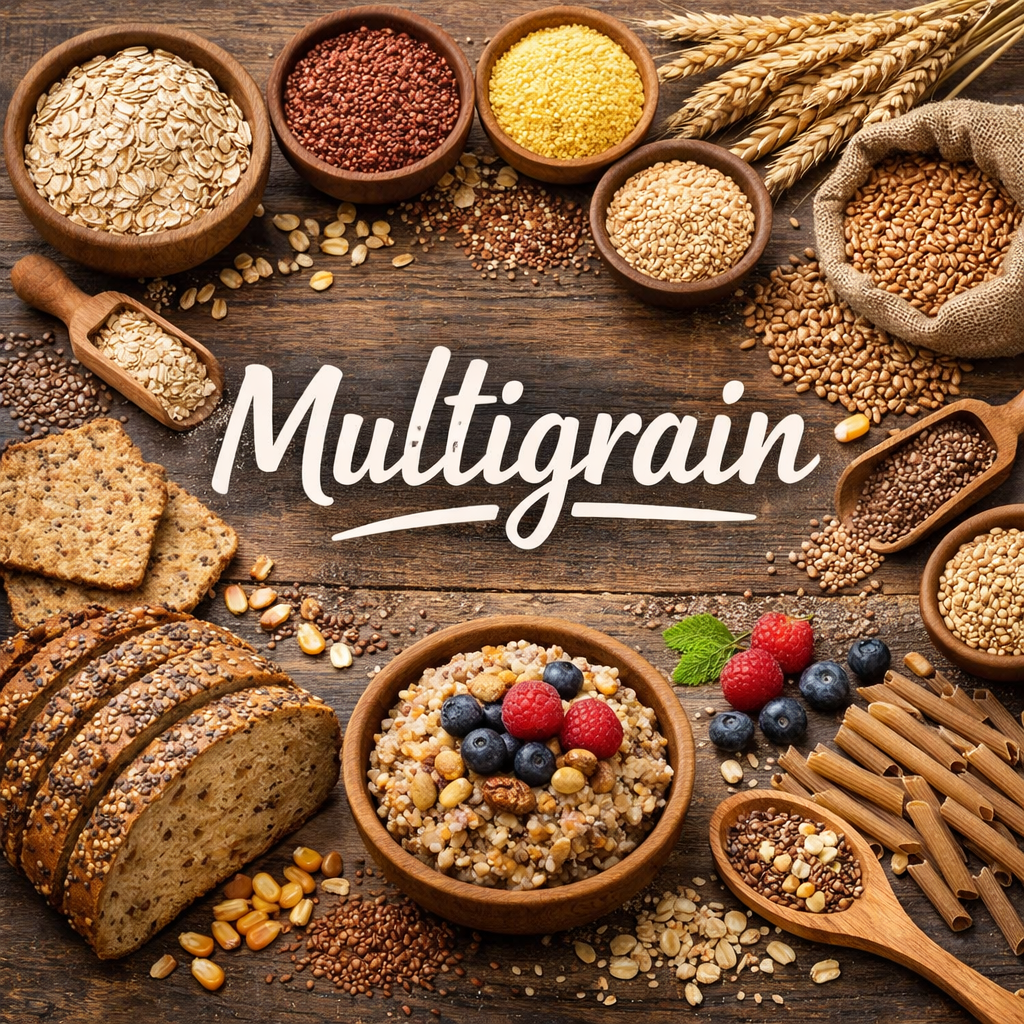
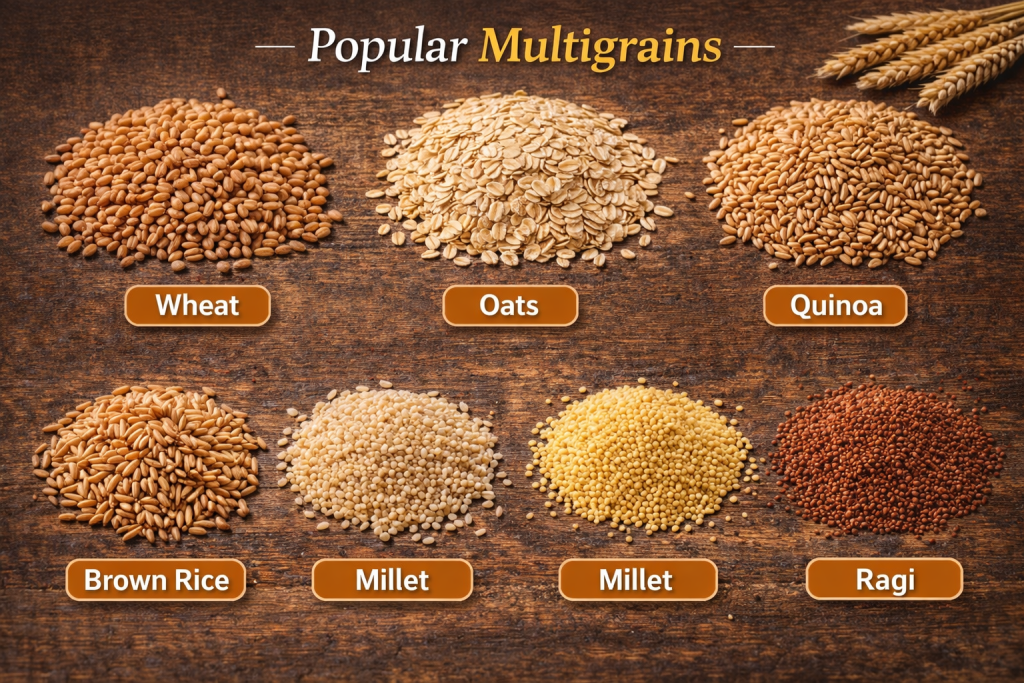
Rich multigrain foods are food products made using two or more types of grains, such as wheat, oats, barley, millet, maize, brown rice, sorghum, and quinoa. Unlike refined foods that use only one grain and remove essential nutrients, multigrain foods retain a broader range of vitamins, minerals, and dietary fiber.
Each grain brings its own unique nutritional profile. When combined, they create a balanced and nutrient-dense food that supports overall health.
Difference Between Multigrain and Whole Grain
Many people confuse multigrain foods with whole grain foods, but they are not the same.
- Whole grain foods contain one type of grain with all its parts intact — bran, germ, and endosperm.
- Multigrain foods contain more than one type of grain, which may or may not all be whole grains.
The best choice is rich multigrain foods made with whole grains, as they provide maximum nutrition and health benefits.
Nutritional Value of Rich Multigrain Foods
Multigrain foods are packed with essential nutrients that the body needs daily. Their nutritional richness comes from the diversity of grains used.
Key Nutrients Found in Multigrain Foods
- Dietary Fiber – Supports digestion and gut health
- Complex Carbohydrates – Provide sustained energy
- Protein – Aids in muscle repair and growth
- B Vitamins – Help in metabolism and brain function
- Iron – Supports oxygen transport in blood
- Magnesium & Zinc – Improve immunity and bone health
- Antioxidants – Reduce inflammation and oxidative stress
Because of this balanced nutrient composition, rich multigrain foods are ideal for people of all age groups.
Health Benefits of Rich Multigrain Foods
1. Improves Digestive Health
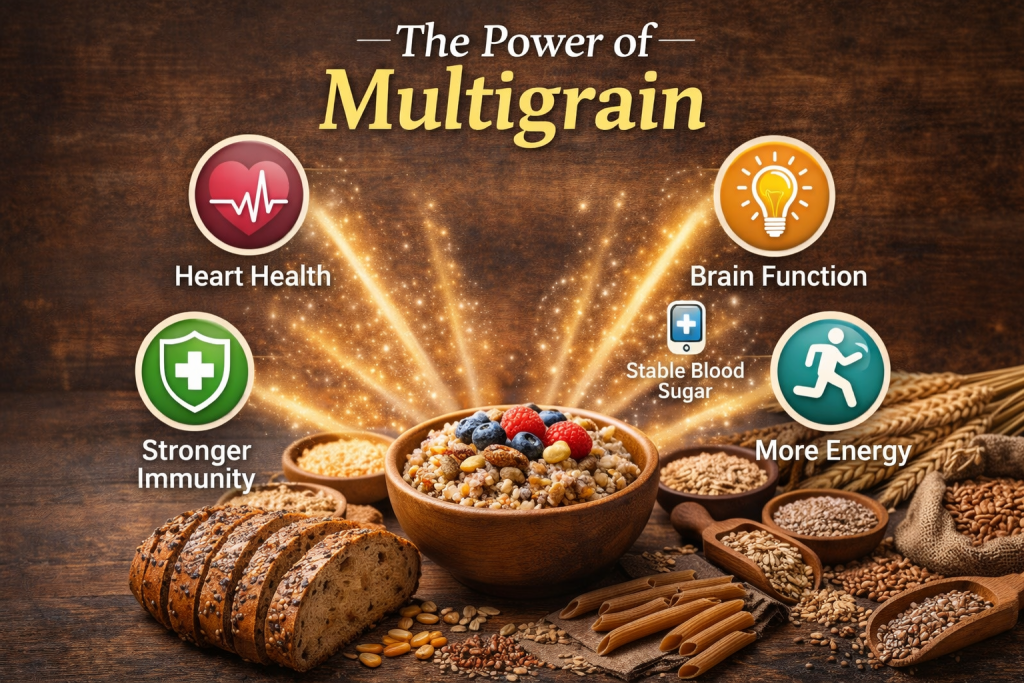
One of the biggest advantages of rich multigrain foods is their high fiber content. Fiber promotes smooth digestion, prevents constipation, and supports a healthy gut microbiome. Regular consumption can reduce digestive discomfort and improve bowel regularity.
2. Supports Heart Health
Multigrain foods help in maintaining heart health by:
- Lowering bad cholesterol (LDL)
- Improving blood circulation
- Reducing the risk of heart disease
Grains like oats and barley contain beta-glucan, a soluble fiber known for improving cardiovascular health.
3. Helps in Weight Management
Rich multigrain foods keep you full for longer due to their fiber and complex carbohydrate content. This helps control hunger, reduce unhealthy snacking, and support healthy weight loss or weight maintenance.
4. Maintains Blood Sugar Levels
Multigrain foods have a low to moderate glycemic index, meaning they release sugar slowly into the bloodstream. This makes them a smart choice for people with diabetes or those trying to prevent blood sugar spikes.
5. Boosts Energy Levels
Unlike refined foods that cause energy crashes, multigrain foods provide steady and long-lasting energy. This makes them ideal for breakfast and pre-workout meals.
6. Strengthens Immunity
Rich multigrain foods contain essential minerals such as zinc, selenium, and magnesium that support immune function. Antioxidants present in grains help fight inflammation and protect the body from infections.
7. Improves Brain Function
B vitamins found in multigrain foods play a crucial role in brain health, improving memory, focus, and mental clarity.
Popular Types of Rich Multigrain Foods
1. Multigrain Bread
Multigrain bread is one of the most common and convenient multigrain food options. It often contains a mix of wheat, oats, barley, and seeds, making it a healthier alternative to white bread.
2. Multigrain Roti and Chapati
In Indian households, multigrain rotis made from wheat, jowar, bajra, and ragi are a staple. They are rich in fiber and nutrients and suitable for daily consumption.
3. Multigrain Cereals
Breakfast cereals made with multiple grains provide a nutritious start to the day. Choose options with no added sugar for maximum benefits.
4. Multigrain Pasta
Multigrain pasta made from wheat, quinoa, or millet is a healthier alternative to refined pasta. It supports digestion and provides longer-lasting energy.
5. Multigrain Biscuits and Snacks
Healthy multigrain biscuits and snacks can be a better option than refined flour snacks when consumed in moderation.
6. Multigrain Porridge
Multigrain porridge is ideal for children, adults, and elderly people. It is easy to digest and rich in essential nutrients.
Rich Multigrain Foods in Traditional https://www.expandify.info/Diets
Many traditional diets across the world naturally include multigrain foods.
- Indian cuisine uses millets, wheat, rice, and pulses together.
- Mediterranean diets include barley, oats, and whole wheat.
- Asian diets often combine rice, millet, and legumes.
These traditional practices highlight the long-standing importance of multigrain nutrition.
Multigrain Foods for Different Age Groups
For Children
Multigrain foods support growth, brain development, and immunity in children. Including multigrain porridge or rotis ensures balanced nutrition.
Multigrain foods aid digestion, support heart health, and reduce the risk of chronic diseases in older adults.
How to Include Rich Multigrain Foods in Daily Diet
- Replace white bread with multigrain bread
- Use multigrain flour for rotis and parathas
- Start your day with multigrain cereal or porridge
- Choose multigrain snacks instead of refined ones
- Add different grains like quinoa or millet to salads and meals
Tips for Choosing Healthy Multigrain Foods
- Read ingredient labels carefully
- Ensure whole grains are listed first
- Avoid products with high sugar and preservatives
- Choose minimally processed options
- Prefer homemade multigrain meals whenever possible
Common Myths About Multigrain Foods
Myth 1: Multigrain Foods Are Always Healthy
Not all multigrain foods are healthy. Some may contain refined grains and added sugar.
Myth 2: Multigrain Foods Taste Bad
With proper preparation, multigrain foods are flavorful and satisfying.
Myth 3: Multigrain Foods Are Only for Dieting
Multigrain foods are beneficial for everyone, not just those trying to lose weight.
Environmental Benefits of Multigrain Consumption
Growing and consuming multiple grains supports agricultural diversity and reduces dependency on a single crop. This helps promote sustainable farming and environmental balance.
Conclusion
Rich multigrain foods are a powerful addition to a healthy diet. Their combination of fiber, vitamins, minerals, and complex carbohydrates makes them ideal for improving digestion, heart health, immunity, and energy levels. Whether you are a child, adult, or senior, incorporating multigrain foods into your daily meals can significantly improve overall well-being.
By choosing whole and minimally processed multigrain foods, you take a step toward a healthier lifestyle and long-term wellness. Small changes, such as switching to multigrain bread or rotis, can create a big positive impact on your health.
If you want, I can also:
- Add SEO meta title & meta description
- Create a featured image or infographic
- Rewrite this content in a more humanized or simpler tone
- Optimize it for blog or website publishing